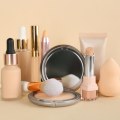
Incorporating skincare into your everyday makeup application is not just a trend; it’s a fundamental practice that can transform your beauty routine. Healthy skin serves as the perfect canvas for makeup, enhancing its appearance and longevity. When your skin is well-cared for, it not only looks radiant but also allows makeup to glide on smoothly, reducing the chances of creasing or fading throughout the day. The benefits of integrating skincare into your makeup routine extend beyond aesthetics. A solid skincare regimen can help address various skin concerns such as dryness, oiliness, and uneven texture, which can all impact how makeup sits on the skin.
For instance, using a hydrating primer can create a dewy finish, while a mattifying moisturizer can control shine for those with oily skin. By understanding your skin type and its needs, you can select products that not only enhance your makeup but also improve your skin's health over time. Moreover, the synergy between skincare and makeup is crucial for achieving a flawless look. Products infused with beneficial ingredients like hyaluronic acid or antioxidants can provide hydration and protection, making them ideal for everyday use. This approach not only simplifies your routine but also ensures that you are nourishing your skin while enhancing your natural beauty.
As you explore ways to blend these two essential aspects of beauty, you'll discover that a little effort in skincare can lead to significant improvements in your overall makeup application.
Step 1: Assessing Your Skin Type and Needs
Understanding your skin type is the first step in creating an effective skincare routine that complements your everyday makeup application. Each skin type has unique characteristics and needs, which can significantly influence how makeup sits on your skin and how long it lasts throughout the day.Identifying Your Skin Type
- Normal Skin: This type is well-balanced, not too oily or dry. If your skin feels comfortable and has a smooth texture, you likely have normal skin.
- Oily Skin: If your skin appears shiny, especially in the T-zone (forehead, nose, chin), and you often experience breakouts, you may have oily skin. Look for products that control oil without stripping moisture.
- Dry Skin: If your skin feels tight, rough, or flaky, you probably have dry skin.
Hydrating products are essential to prevent makeup from clinging to dry patches.
- Combination Skin: This type features both oily and dry areas. Typically, the T-zone is oily while the cheeks are dry. Tailor your skincare to address both concerns.
- Sensitive Skin: If your skin reacts easily to products or environmental factors, you have sensitive skin. Choose gentle, fragrance-free products to minimize irritation.
Assessing Your Skincare Needs
Once you've identified your skin type, consider specific skincare needs that can enhance your everyday makeup application.
For instance:
- If you have oily skin, look for mattifying primers and oil-free foundations to help control shine.
- If you have dry skin, opt for hydrating serums and cream-based foundations that provide moisture throughout the day.
- If you have sensitive skin, prioritize soothing ingredients like aloe vera or chamomile in your skincare routine to reduce redness and irritation.
Step 2: Building a Skincare Routine for Makeup Wearers
Incorporating a solid skincare routine into your everyday makeup application is essential for achieving a flawless look while maintaining healthy skin. Here’s a simple yet effective routine tailored for makeup wearers.1.Cleansing
Start your day with a gentle cleanser to remove any impurities and excess oils that have built up overnight. Look for a cleanser that suits your skin type—whether it’s gel-based for oily skin or cream-based for dry skin.A clean canvas is crucial for smooth makeup application.
2.Exfoliation
Exfoliating 2-3 times a week can help slough off dead skin cells, promoting a brighter complexion. Choose a mild exfoliant to avoid irritation, especially if you wear makeup daily.3.Moisturizing
After cleansing, apply a lightweight moisturizer to hydrate your skin. This step is vital as it helps create a smooth base for your makeup. Opt for a moisturizer that contains hyaluronic acid or glycerin, which can provide lasting hydration without feeling heavy.4.Sun Protection
Never skip sunscreen, even on cloudy days! A broad-spectrum SPF of at least 30 should be applied every morning, ideally as part of your moisturizer or as a separate product.This protects your skin from harmful UV rays and prevents premature aging.
5.Primer
Finally, consider using a makeup primer after your skincare routine. A good primer not only helps your makeup last longer but also fills in fine lines and pores, creating an even surface for foundation application.By following these steps, you can ensure that your skin remains healthy and radiant, enhancing the overall effect of your everyday makeup application.Step 3: Choosing the Right Products for Your Makeup Routine
When it comes to everyday makeup application, selecting the right products is crucial for both enhancing your look and maintaining your skin's health. Here are some tips to help you choose makeup that complements your skincare routine:- Look for Skincare-Infused Makeup: Many brands now offer makeup products that contain beneficial skincare ingredients. For example, foundations with hyaluronic acid can provide hydration, while primers with antioxidants can protect your skin from environmental stressors.
These products not only help you achieve a flawless finish but also nourish your skin throughout the day.
- Consider Your Skin Type: Tailor your makeup choices to your specific skin type. If you have oily skin, opt for oil-free foundations and mattifying powders. For dry skin, choose cream-based products that add moisture and luminosity. Understanding your skin's needs will help you select products that enhance your natural beauty.
- Prioritize Non-Comedogenic Formulas: If you're prone to breakouts, look for non-comedogenic makeup products that won’t clog your pores.
This is especially important for everyday use, as you want to ensure that your makeup routine doesn’t contribute to skin issues.
- Test Before You Commit: Always try samples or travel sizes of new products before purchasing full sizes. This allows you to see how they interact with your skincare and whether they suit your complexion and preferences.
- Tinted Moisturizers or BB Creams: These provide light coverage while hydrating the skin.
- Mineral Foundations: Great for sensitive skin, they offer coverage without irritating the skin.
- Cream Blushes: They blend seamlessly into the skin and provide a natural flush.
- Lip Products with SPF: Protect your lips while adding color with balms or glosses that contain sun protection.
Step 4: Techniques for Applying Skincare Before Makeup
Incorporating skincare into your everyday makeup application is essential for achieving a flawless look. Here are some effective techniques to apply skincare products before your makeup:- Start with a Clean Canvas: Always begin with a freshly cleansed face. Use a gentle cleanser suitable for your skin type to remove any impurities and excess oils.
- Layer Your Products Wisely: Apply skincare in the correct order: start with a toner, followed by serums, moisturizers, and finally sunscreen.
This layering helps each product absorb effectively.
- Use the Right Amount: Avoid overloading your skin with too much product. A pea-sized amount of moisturizer is usually sufficient. This prevents your makeup from sliding off during the day.
- Give It Time: Allow each product to absorb fully before moving on to the next step. Waiting 5-10 minutes after applying moisturizer can make a significant difference in how your makeup sits on your skin.
- Choose Lightweight Formulas: Opt for lightweight, non-comedogenic products that won’t clog pores.
Gel-based moisturizers or hydrating serums are excellent choices for a smooth base.
- Consider Your Skin Type: Tailor your skincare routine to your specific skin type. For oily skin, use oil-free products; for dry skin, focus on hydrating ingredients like hyaluronic acid.
Common Mistakes to Avoid When Combining Skincare and Makeup
When it comes to everyday makeup application, integrating skincare can be a game-changer, but there are common mistakes that can hinder your efforts. Here are some pitfalls to avoid:- Skipping Moisturizer: One of the biggest mistakes is neglecting to apply moisturizer before makeup. Skipping this step can lead to dry patches and uneven application.
Always choose a moisturizer that suits your skin type and allows for a smooth base.
- Using Incompatible Products: Not all skincare and makeup products work well together. For instance, using a heavy oil-based moisturizer under a water-based foundation can cause separation. Always check product compatibility to ensure a flawless finish.
- Overloading on Products: Applying too many layers of skincare can lead to a greasy look and feel. Stick to the essentials: cleanse, moisturize, and apply sunscreen.
Less is often more when it comes to achieving a natural look.
- Neglecting Sunscreen: Failing to incorporate sunscreen into your routine can have long-term consequences for your skin. Look for makeup products with SPF or apply a broad-spectrum sunscreen before your makeup for adequate protection.
- Ignoring Skin Type: Using products that don’t cater to your specific skin type can lead to breakouts or irritation. For example, those with oily skin should opt for lightweight, non-comedogenic products, while dry skin types may benefit from creamier formulations.
FAQs About Skincare and Everyday Makeup Application
Integrating skincare into your everyday makeup application can raise several questions.Here are some of the most frequently asked questions to help clarify your concerns:
- Can I apply makeup over my skincare products? Yes, you can! However, it’s essential to allow your skincare products, such as moisturizers and serums, to fully absorb into your skin before applying makeup. This typically takes about 5-10 minutes.
- What skincare products should I use before makeup? A good routine includes a gentle cleanser, a hydrating moisturizer, and a broad-spectrum sunscreen. If you have specific skin concerns, consider adding a serum or primer that targets those issues.
- Is it necessary to use a primer? While not mandatory, a primer can enhance the longevity of your makeup and create a smoother canvas. Look for primers that also offer skincare benefits, such as hydration or oil control.
- How do I choose the right foundation for my skin type? For oily skin, opt for matte or oil-free foundations.
If you have dry skin, look for hydrating formulas. Combination skin may benefit from a balanced foundation that offers both coverage and moisture.
- Can I skip moisturizer if I use a tinted moisturizer or BB cream? It’s best not to skip moisturizer, even if you’re using a tinted product. These products can provide some hydration but may not be enough for optimal skin health.
Conclusion: Embracing a Holistic Approach to Beauty
In conclusion, incorporating skincare into your everyday makeup application is not just a trend; it’s a vital practice for achieving a radiant and healthy complexion. By understanding the synergy between skincare and makeup, you can enhance your natural beauty while ensuring your skin remains nourished and protected.Throughout this article, we’ve explored various strategies to seamlessly blend skincare with your daily makeup routine.Here are the key takeaways:
- Prioritize Skincare: Always start with a solid skincare foundation. Cleanse, exfoliate, and moisturize to prepare your skin for makeup.
- Choose the Right Products: Opt for makeup products that contain beneficial ingredients like hyaluronic acid, vitamins, and antioxidants to support skin health.
- Layer Wisely: Apply products in the correct order—starting with serums and moisturizers, followed by primers and foundations—to ensure optimal absorption and performance.
- Stay Hydrated: Keep your skin hydrated throughout the day with setting sprays or facial mists that can refresh your makeup while providing additional moisture.
- Regularly Assess Your Routine: Periodically evaluate your skincare and makeup products to ensure they align with your skin’s changing needs.