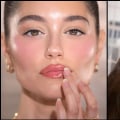
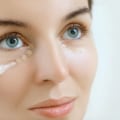
In the realm of everyday makeup application, understanding the art of contouring and highlighting is essential for achieving a polished and balanced look. These techniques are not just reserved for special occasions or professional photoshoots; they can be seamlessly integrated into your daily routine to enhance your natural features. By strategically applying darker shades to create shadows and lighter shades to bring forward certain areas, you can sculpt your face in a way that complements your unique bone structure. Contouring involves using matte, darker products to define areas such as the cheekbones, jawline, and nose, while highlighting focuses on accentuating the high points of your face, like the cheekbones, brow bones, and the bridge of your nose. This dynamic duo works together to create depth and dimension, transforming a flat canvas into a beautifully contoured masterpiece.
Understanding where to apply these products is crucial; it’s about enhancing your features rather than masking them. As you delve into the basics of makeup, mastering contouring and highlighting can elevate your skills significantly. Whether you prefer cream, powder, or liquid formulas, the key is to choose products that blend well with your skin type and tone. With practice, you’ll find that these techniques not only improve your makeup application but also boost your confidence as you learn to showcase your best self every day.
Choosing the Right Products for Contouring and Highlighting
When it comes to everyday makeup application, selecting the right products for contouring and highlighting is crucial for achieving a natural look. Here are some tips to help you choose the best products based on your skin type, tone, and personal preferences.Best Contour Products
- Cream Contours: Ideal for dry or combination skin, cream contours blend seamlessly into the skin, providing a dewy finish.
- Powder Contours: Best suited for oily skin types, powder contours can help absorb excess oil while adding definition.
- Stick Formulas: These are versatile and easy to use, making them perfect for quick applications on the go.
Best Highlighter Products
- Liquid Highlighters: These provide a luminous glow and are great for layering over foundation.
- Powder Highlighters: Perfect for setting makeup, they offer a more intense shimmer and can be built up for a dramatic effect.
- Cream Highlighters: These give a natural finish and work well on dry skin types.
Makeup Tools
The right tools can make all the difference in your contouring and highlighting routine.Here are some essentials:
- Beauty Blender or Makeup Sponge: Perfect for blending cream products seamlessly into the skin.
- Contour Brush: A dense brush helps apply powder contours precisely in the hollows of your cheeks.
- Fan Brush: Ideal for applying highlighter to the cheekbones, giving a soft, diffused glow.
Step-by-Step Guide to Contouring
Contouring can seem daunting, but with the right techniques, it can enhance your features beautifully for an everyday makeup application. Here’s a step-by-step guide to help you master the art of contouring.- Choose the Right Products: Start with a contour product that is a few shades darker than your skin tone. Cream contours are great for a natural look, while powders can provide a more defined finish.
Pair it with a highlighter that is a shade or two lighter than your skin tone.
- Prep Your Skin: Ensure your skin is clean and moisturized. Apply your foundation first to create an even base. This will help the contour and highlight blend seamlessly into your skin.
- Identify Contour Areas: Use a mirror to identify where shadows naturally fall on your face. Common areas include:
- Under the cheekbones
- Along the jawline
- On the sides of the nose
- On the temples of your forehead
- Application: Using a brush or makeup sponge, apply the contour product in the identified areas.
For an everyday look, keep it subtle; less is more. Start with a small amount and build up if necessary.
- Blend, Blend, Blend: This is crucial for achieving a natural look. Use a clean brush or sponge to blend out the contour lines until they are seamless. Make sure there are no harsh lines; you want it to look like natural shadows.
- Add Highlight: Apply your highlighter to the high points of your face where light naturally hits:
- The tops of your cheekbones
- The bridge of your nose
- The center of your forehead
- Your cupid's bow
- Final Touches: After blending both products, set your makeup with a light dusting of translucent powder to ensure longevity throughout the day.
Step-by-Step Guide to Highlighting
Highlighting is a crucial step in achieving a radiant and youthful appearance in your everyday makeup application.By strategically applying highlighter, you can enhance your features and create a natural glow. Here’s a step-by-step guide to help you master the art of highlighting.
1.Choose the Right Highlighter
Before you begin, select a highlighter that complements your skin tone. For fair skin, opt for shades like champagne or pearl; medium skin tones can benefit from golden or peachy hues, while deeper skin tones look stunning with bronze or copper shades.2.Identify Key Areas to Highlight
To achieve the best effect, focus on the following areas:- Cupid's Bow: Apply a small amount to the center of your upper lip to make it appear fuller.
- Cheekbones: Sweep highlighter along the tops of your cheekbones, blending it towards your temples for a lifted look.
- Bridge of the Nose: A light dusting down the center of your nose can create an elongated effect.
- Brow Bone: Highlighting just under your eyebrows can define your eyes and make them pop.
- Inner Corners of the Eyes: A touch here brightens your eyes and gives a more awake appearance.
3.Application Techniques
For a seamless finish, consider these application techniques:- Fingers: Using your fingertips allows for precise application and blending, especially on smaller areas like the brow bone and inner corners.
- Brushes: A fan brush or a small tapered brush works well for larger areas like cheekbones. Lightly dust the highlighter and build up as needed.
- Sponge: A damp beauty sponge can help blend the highlighter into your foundation for a more natural look.
The goal is to create a soft, luminous finish that enhances your natural beauty without overpowering your everyday makeup application.
Common Mistakes to Avoid in Contouring and Highlighting
Contouring and highlighting can elevate your everyday makeup application, but common mistakes can lead to a less-than-flattering result. Here are some pitfalls to avoid:- Using the Wrong Shades: One of the most frequent errors is selecting contour and highlight shades that are too dark or too light for your skin tone. Always test products in natural light to ensure they blend seamlessly with your complexion.
- Overdoing It: Less is often more when it comes to contouring and highlighting. Applying too much product can create harsh lines and an unnatural appearance.
Start with a small amount and build up gradually.
- Neglecting Blending: Failing to blend properly is a major mistake. Use a damp beauty sponge or a brush to blend out any harsh lines, ensuring a smooth transition between your contour, highlight, and foundation.
- Ignoring Face Shape: Different face shapes require different contouring techniques. For instance, if you have a round face, focus on contouring the sides of your forehead and under your cheekbones to create dimension. Research techniques that suit your specific face shape.
- Applying Highlight in the Wrong Areas: Highlighting the wrong areas can lead to an unflattering shine.
Focus on the high points of your face, such as the tops of your cheekbones, the bridge of your nose, and the cupid's bow for a natural glow.
Tips for a Natural Look with Contouring and Highlighting
Achieving a natural makeup look with contouring and highlighting is all about subtlety and technique. Here are some essential tips to help you master these techniques for your everyday makeup application.- Choose the Right Products: Opt for cream or liquid formulas instead of powders, as they blend more seamlessly into the skin. Look for shades that are only a couple of tones darker or lighter than your natural skin tone to maintain a subtle contouring effect.
- Focus on Placement: For contouring, apply product to the hollows of your cheeks, along the jawline, and on the sides of your nose. Highlight the tops of your cheekbones, the bridge of your nose, and your cupid's bow to enhance your features without looking overdone.
- Blend, Blend, Blend: The key to a natural look is blending.
Use a damp beauty sponge or a brush to blend out any harsh lines. This will create a soft transition between the contour and highlight, making it look like a natural shadow and glow.
- Use Minimal Product: Start with a small amount of product and build up gradually. It’s easier to add more than to take away if you’ve applied too much. This approach helps in achieving that effortless look.
- Consider Your Lighting: Always check your makeup in natural light after application.
This will help you see how well everything blends and whether adjustments are needed for a more realistic finish.
Frequently Asked Questions about Contouring and Highlighting
When it comes to everyday makeup application, many people have questions about the best practices for contouring and highlighting. Here are some frequently asked questions that can help you master these techniques.- What is the difference between contouring and highlighting?
Contouring is used to create shadows on your face, enhancing your natural bone structure, while highlighting brings attention to certain areas by reflecting light. Together, they create a balanced and dimensional look. - How do I choose the right contour shade?
Opt for a contour shade that is 1-2 shades darker than your natural skin tone.Look for cool undertones to mimic natural shadows, especially if you have fair or neutral skin.
- Can I use cream products for everyday makeup?
Absolutely! Cream contours and highlighters blend seamlessly into the skin, making them ideal for a natural look. Just ensure to set them with a translucent powder to avoid shine throughout the day. - How do I apply contour and highlight for a natural finish?
Use a light hand when applying products. Start with small amounts and build up as needed. Blend well using a damp beauty sponge or brush to avoid harsh lines. - Where should I apply highlighter?
Focus on the high points of your face: the tops of your cheekbones, the bridge of your nose, the cupid's bow, and the center of your forehead.This will give you a radiant glow without looking overdone.
- Is it necessary to contour every day?
Not at all! For an everyday makeup application, you can skip contouring if you're short on time or prefer a more minimal look. Highlighting can still add a fresh touch without the need for contouring.
Conclusion: Elevate Your Everyday Makeup Routine with Contouring and Highlighting
In conclusion, mastering the art of contouring and highlighting can significantly enhance your everyday makeup application. By understanding the fundamentals of your face shape and skin tone, you can create a more defined and radiant look that complements your natural beauty.To recap, here are some essential tips to keep in mind:- Choose the Right Products: Opt for cream or powder formulas that suit your skin type. Creams work well for dry skin, while powders are ideal for oily skin.
- Know Your Face Shape: Tailor your contouring techniques to your unique face shape.
For instance, oval faces may benefit from subtle contouring along the jawline, while round faces might focus on the sides of the cheeks.
- Blend, Blend, Blend: The key to a natural look is seamless blending. Use a damp beauty sponge or a brush to ensure there are no harsh lines.
- Highlight Strategically: Apply highlighter to areas where light naturally hits your face, such as the tops of your cheekbones, brow bones, and down the bridge of your nose.
- Practice Makes Perfect: Don’t be discouraged if you don’t get it right on the first try. Experiment with different techniques and products to find what works best for you.