Achieving a flawless base in your everyday makeup application starts with a fundamental understanding of your skin type. Each individual’s skin is unique, and recognizing whether you have oily, dry, or combination skin is essential for selecting the right products and techniques. For instance, those with oily skin may benefit from mattifying primers and oil-free foundations, while individuals with dry skin should look for hydrating formulas that provide moisture and a dewy finish. Furthermore, combination skin can present its own set of challenges, as different areas of the face may require different products. A tailored approach to your skincare routine is crucial; incorporating products that address your specific needs will not only enhance your makeup application but also improve your skin's overall health.
For example, using a lightweight moisturizer on oily areas while applying a richer cream on dry patches can create a balanced canvas for makeup. Understanding your skin type also extends to how you prep your skin before applying makeup. A well-hydrated and properly primed face allows for smoother application and longer-lasting wear. By investing time in identifying your skin type and adjusting your skincare routine accordingly, you set the stage for a flawless makeup look that enhances your natural beauty.
Prepping Your Skin for Makeup
Achieving a flawless base in your everyday makeup application starts long before you reach for your foundation. Proper skin preparation is essential to ensure that your makeup not only looks good but also lasts throughout the day.Here’s how to effectively prep your skin:
- Cleansing: Begin with a gentle cleanser to remove any dirt, oil, or impurities from your skin. This step is crucial as it creates a clean canvas for your makeup. Choose a cleanser that suits your skin type—gel cleansers work well for oily skin, while cream cleansers are ideal for dry skin.
- Moisturizing: After cleansing, apply a suitable moisturizer. Hydrated skin helps makeup glide on smoothly and prevents it from settling into fine lines or dry patches.
Look for a moisturizer that contains ingredients like hyaluronic acid or glycerin for added hydration.
- Using a Primer: A good primer can make a significant difference in your everyday makeup application. Primers create a barrier between your skin and makeup, helping to fill in pores and fine lines while ensuring that your makeup adheres better. Choose a primer based on your skin concerns—mattifying primers are great for oily skin, while illuminating primers can add a glow to dull complexions.
- Sunscreen: If you’re applying makeup during the day, don’t forget sunscreen. A broad-spectrum SPF will protect your skin from harmful UV rays and prevent premature aging.
- Exfoliation: Regular exfoliation (1-2 times a week) can help remove dead skin cells, promoting smoother skin texture and allowing for better makeup application.
Remember, the key to a flawless base lies in the foundation of good skincare practices.
Choosing the Right Foundation
Choosing the right foundation is crucial for achieving a flawless base in your everyday makeup application. With various types of foundations available, understanding their differences can help you select the best option for your skin type and desired finish.Foundation Types
- Liquid Foundation: This is one of the most popular choices due to its versatility. Liquid foundations come in various finishes, from matte to dewy, making them suitable for different skin types. They provide buildable coverage, allowing you to achieve a natural look or more full coverage as needed.
- Powder Foundation: Ideal for oily skin, powder foundations help absorb excess oil and provide a matte finish.
They are easy to apply and can be used alone or over liquid foundation for added coverage. However, they may not be the best choice for dry skin, as they can accentuate dryness.
- Cream Foundation: Cream foundations offer a thicker consistency and are great for dry or mature skin. They provide excellent coverage and a dewy finish but may require setting with powder to prevent transfer.
Application Tips
Regardless of the foundation type you choose, proper application techniques are essential for a seamless finish:- Prep Your Skin: Start with a clean, moisturized face. Use a primer suited to your skin type to create a smooth canvas.
- Select the Right Tool: Use a makeup sponge for a natural finish or a brush for more coverage.
Experiment with both to see which works best for you.
- Apply in Thin Layers: Start with a small amount of foundation and build up coverage gradually. This prevents a cakey appearance and allows your skin to breathe.
- Blend Well: Ensure that you blend foundation into your hairline, jawline, and neck to avoid harsh lines.
Application Techniques for a Flawless Finish
Achieving a flawless base in your everyday makeup application starts with mastering the right application techniques. Here are some essential methods to ensure your foundation and other base products look seamless and natural.Blending Foundation
Blending is crucial for a smooth finish. Begin by applying a small amount of foundation to the back of your hand or a palette.Use a makeup sponge or brush to pick up the product. For a natural look, apply the foundation in small dots across your face, focusing on areas that need more coverage.When using a sponge, dampen it slightly before application. This helps to absorb excess product and provides a dewy finish. Use a bouncing motion to blend the foundation into your skin, starting from the center of your face and working outward.
For brushes, use circular motions to buff the product into your skin, ensuring there are no harsh lines.
Tools for Makeup Application
The tools you choose can significantly impact the outcome of your everyday makeup application. Here are some popular options:- Beauty Blender: This sponge is perfect for achieving a flawless finish. Its unique shape allows for easy access to hard-to-reach areas like around the nose and under the eyes.
- Foundation Brush: A flat or rounded brush can provide more coverage and is ideal for liquid foundations. Look for synthetic bristles for a smoother application.
- Stippling Brush: This dual-fiber brush is great for building coverage gradually while maintaining a light texture.
Beauty Blender vs Brush
The debate between using a beauty blender or a brush often comes down to personal preference.A beauty blender offers a more natural, airbrushed look, while brushes can provide fuller coverage. If you prefer a lightweight feel, opt for the sponge; if you want more control over coverage, go for the brush. Experiment with both tools to find what works best for your skin type and desired finish.In conclusion, mastering these makeup application techniques, along with choosing the right tools, will help you achieve that coveted flawless base in your everyday makeup routine.
Concealing Imperfections
Achieving a flawless base in your everyday makeup application often hinges on how well you can conceal imperfections. Whether you're dealing with blemishes, dark circles, or redness, the right concealer and application techniques can make all the difference.Choosing the Right Concealer
When selecting a concealer, consider your skin type and the specific imperfections you want to address.Here are some tips:
- For Blemishes: Opt for a full-coverage, matte concealer that matches your foundation shade. This will help to effectively cover any spots without drawing attention to them.
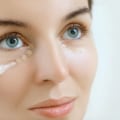
- For Dark Circles: Choose a creamy, hydrating concealer that is one or two shades lighter than your foundation. Look for formulas with light-reflecting properties to brighten the under-eye area.
- For Redness Correction: A green-tinted concealer can neutralize redness effectively. Apply it sparingly on the affected areas before layering your foundation on top.
Application Techniques
The way you apply concealer is just as important as the product you choose.Here are some effective techniques:
- Blemishes: Use a small brush or your fingertip to dab the concealer directly onto the blemish. Gently blend the edges to avoid harsh lines.
- Dark Circles: Apply the concealer in a triangular shape under your eyes, extending towards your temples. This not only covers dark circles but also lifts the appearance of your face. Use a damp beauty sponge to blend it seamlessly into your skin.
- Redness: After applying green concealer, use a stippling motion with your foundation brush or sponge to blend it in without disturbing the color correction.
Remember, less is more; start with a small amount and build coverage as needed for a natural finish in your everyday makeup application.
Setting Your Makeup for Longevity
To achieve a flawless base in your everyday makeup application, setting your makeup is crucial for ensuring it lasts throughout the day. Without proper setting techniques, your makeup can easily fade, smudge, or become uneven, especially in varying weather conditions.Choosing the Right Setting Products
There are two primary types of products to consider when setting your makeup: setting powders and setting sprays. Each serves a unique purpose and can be used in conjunction for optimal results.- Setting Powder: Ideal for controlling oil and shine, setting powders help to mattify the skin and lock in foundation. For those with oily skin, a translucent powder can be a game-changer.
Apply it with a fluffy brush, focusing on areas that tend to get oily, such as the T-zone.
- Setting Spray: A setting spray is perfect for adding a final touch to your makeup routine. It not only helps to keep your makeup in place but also can provide hydration and a dewy finish. Look for sprays that offer long-lasting wear and are suitable for your skin type.
Application Techniques for Longevity
To maximize the effectiveness of your setting products, consider these tips:- Layering: After applying your foundation and concealer, dust a light layer of setting powder before finishing with a setting spray. This combination helps to create a barrier that locks in moisture while controlling oil.
- Focus on Key Areas: Pay special attention to areas prone to creasing or fading.
Applying extra powder under the eyes and around the nose can prevent makeup from settling into fine lines.
- Use Blotting Papers: Throughout the day, if you notice excess oil, use blotting papers before reapplying powder. This prevents caking and keeps your base looking fresh.
Common Mistakes to Avoid in Everyday Makeup Application
Achieving a flawless base in your everyday makeup application requires attention to detail, and avoiding common mistakes can make all the difference. Here are some frequent errors and how to correct them:- Skipping Skincare: One of the biggest mistakes is neglecting your skincare routine. Always start with a clean, moisturized face.
This creates a smooth canvas for your makeup. If you find your foundation clinging to dry patches, consider using a hydrating primer.
- Using the Wrong Foundation Shade: Choosing a foundation that doesn’t match your skin tone can lead to an unnatural look. Test shades on your jawline in natural light to find the perfect match. If you’ve already made this mistake, try blending with a lighter or darker shade to adjust.
- Applying Too Much Product: Less is often more when it comes to makeup.
Over-applying foundation or concealer can result in a cakey appearance. Start with a small amount and build coverage gradually. If you’ve overdone it, use a damp beauty sponge to blend out excess product.
- Neglecting Blending: Harsh lines can ruin an otherwise flawless look. Always blend your foundation, concealer, and eyeshadow well.
Use circular motions with your brush or sponge for seamless application.
- Ignoring Setting Products: Failing to set your makeup can lead to smudging and fading throughout the day. Use a translucent powder to set areas prone to shine, and consider a setting spray for longevity.
FAQs About Everyday Makeup Application
When it comes to everyday makeup application, many people have questions that can help streamline their routine and enhance their results. Here are some of the most frequently asked questions:- What is the best primer for everyday makeup?
Choosing a primer depends on your skin type.For oily skin, a mattifying primer can help control shine, while a hydrating primer is ideal for dry skin. Look for products that suit your specific needs to create a smooth canvas.
- How can I make my foundation last all day?
To ensure your foundation lasts, start with a good primer, use a long-wear foundation, and set it with a translucent powder. Additionally, consider using setting spray to lock everything in place. - Is it necessary to use concealer?
While not mandatory, concealer can be a game-changer for covering blemishes or dark circles. If you prefer a more natural look, you can skip it or use a tinted moisturizer instead. - How do I choose the right shade of foundation?
Test foundation shades on your jawline in natural light to find the best match.Remember to consider your undertone—warm, cool, or neutral—as this will affect how the color appears on your skin.
- What are some tips for applying blush?
For a natural flush, apply blush to the apples of your cheeks and blend it upwards towards your temples. Cream blushes can provide a dewy finish, while powder blushes offer more control over intensity.
Conclusion: Mastering Your Everyday Makeup Routine
In conclusion, achieving a flawless base in your everyday makeup application is not just about the products you use, but also about the techniques and steps you incorporate into your routine. By following the guidelines outlined in this article, you can enhance your natural beauty and create a polished look that lasts throughout the day.Key Steps to Remember:
- Skin Preparation: Always start with a clean and moisturized face.
This sets the foundation for a smooth application and helps your makeup adhere better.
- Primer Application: Using a primer tailored to your skin type can significantly improve the longevity of your makeup and minimize imperfections.
- Foundation Selection: Choose a foundation that matches your skin tone and type. Whether you prefer liquid, cream, or powder, ensure it provides the coverage you desire without feeling heavy.
- Concealer Use: Strategically applying concealer to areas that need extra coverage can help achieve an even complexion. Blend well for a seamless finish.
- Setting Products: Don’t forget to set your makeup with a translucent powder or setting spray to lock everything in place and reduce shine.
With patience and persistence, your everyday makeup application will become a quick and enjoyable part of your daily routine.