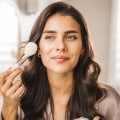
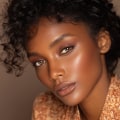
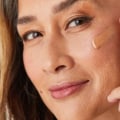
When it comes to everyday makeup application, the role of blush is often underestimated. Many people view it as an optional step, but in reality, blush is a powerful tool that can transform your look from dull to vibrant. It not only adds a pop of color to your cheeks but also enhances your facial features, giving you a more youthful and radiant appearance. Understanding the importance of blush is essential for anyone looking to achieve a natural blush look that complements their overall makeup. Blush serves as a bridge between your foundation and the rest of your makeup, helping to create a cohesive and polished appearance.
When applied correctly, it can define your cheekbones, soften harsh lines, and bring warmth to your complexion. This is particularly important in everyday makeup application, where the goal is to look effortlessly put together without appearing overly made-up. A well-placed blush can mimic the natural flush of your skin, making you look fresh and awake. Moreover, the right shade of blush can enhance your skin tone and bring out your natural beauty. Whether you prefer a soft pink, a warm peach, or a deeper berry hue, choosing the right color can make all the difference in achieving that coveted natural blush look.
As we delve deeper into this topic, we will explore techniques and tips for selecting and applying blush that will elevate your everyday makeup routine.
Choosing the Right Blush for Your Skin Tone
Choosing the right blush is essential for achieving a natural-looking flush that enhances your features without overwhelming your everyday makeup application. The key lies in selecting shades that complement your skin tone.Understanding Skin Tones
Skin tones generally fall into three categories: warm, cool, and neutral. Identifying your undertone can help you choose the most flattering blush shades.- Warm Undertones: If you have a golden or peachy hue to your skin, opt for blushes with warm tones. Shades like coral, peach, and warm pinks will enhance your natural glow.
- Cool Undertones: For those with pink or blue undertones, look for blushes in cooler shades.
Rose, bubblegum pink, and even berry tones can provide a beautiful, natural flush.
- Neutral Undertones: If you find that both warm and cool shades suit you, consider versatile options like mauve or soft pink. These colors can adapt to various looks and occasions.
Best Blush Colors for Different Skin Tones
Here’s a quick guide to the best blush colors based on skin tone:- Fair Skin: Light pinks and soft peaches work well.
- Medium Skin: Try rose, peach, or apricot shades.
- Olive Skin: Warm pinks and terracotta can enhance your complexion.
- Darker Skin: Deep berry, plum, and vibrant coral shades will pop beautifully.
Different Types of Blush Formulas
When it comes to achieving a natural-looking blush in your everyday makeup application, understanding the different types of blush formulas is essential.Each formula offers unique benefits that can enhance your overall look.
Cream Blush
Cream blush is a versatile option that provides a dewy finish, making it ideal for those with dry or combination skin. Its creamy texture allows for easy blending, giving you a seamless, natural flush. To apply, use your fingers or a damp makeup sponge for a soft, airbrushed effect. Cream blushes often contain moisturizing ingredients, which can help keep your skin hydrated throughout the day.Powder Blush
Powder blush is a classic choice that works well for oily skin types.It typically offers a matte finish and can be layered for more intensity. This formula is easy to apply with a brush and allows for precise placement on the cheeks. For a natural look, choose a shade that closely matches your skin tone and apply it lightly, building up the color gradually.
Liquid Blush
Liquid blush has gained popularity due to its lightweight feel and long-lasting wear. It often comes in a dropper or pump bottle, making it easy to control the amount you use.Liquid blush can be applied directly to the cheeks or mixed with foundation for an all-over glow. One of the key benefits of liquid formulas is their ability to blend seamlessly into the skin, creating a fresh and radiant appearance.Ultimately, the choice between cream, powder, and liquid blush depends on your skin type and personal preference. Experimenting with different formulas can help you discover which one best complements your everyday makeup application routine.
Application Techniques for a Natural Finish
Achieving a natural-looking blush in your everyday makeup application is all about technique and the right products. Here are some effective methods to ensure your blush looks seamless and enhances your overall look.- Choose the Right Formula: Cream blushes tend to blend more easily into the skin, giving a dewy finish that mimics a natural flush.
Powder blushes can also work well, especially if you prefer a matte look. Consider your skin type when selecting the formula.
- Placement is Key: For a natural effect, apply blush to the apples of your cheeks and blend it slightly upwards towards your temples. This technique lifts the face and creates a youthful appearance. To find the apples of your cheeks, smile and apply the blush where your cheeks naturally rise.
- Use the Right Tools: A fluffy brush or a damp beauty sponge can help you achieve a soft application.
If using a brush, tap off excess product before applying to avoid harsh lines. For cream blush, use your fingers or a sponge for a more blended look.
- Layer Gradually: Start with a small amount of product and build up as needed. It’s easier to add more than to take away excess color. This approach helps maintain that natural appearance.
- Blend, Blend, Blend: The key to a flawless finish is blending.
Use circular motions with your brush or sponge to diffuse the color into your skin. Make sure there are no harsh lines; the goal is for the blush to look like it’s coming from within.
- Set with Powder (if needed): If you have oily skin or prefer a matte finish, lightly dust translucent powder over your blush once it’s applied. This will help it last longer without compromising the natural look.
Tools You Need for Perfect Blush Application
Achieving a natural-looking blush in your everyday makeup application starts with the right tools. Using the appropriate brushes and sponges can significantly enhance your blush application, ensuring a seamless and polished finish.Essential Brushes for Blush
- Blush Brush: A fluffy, angled blush brush is essential for applying powder blush.
Its soft bristles help to distribute the product evenly across your cheeks, allowing for a more natural look.
- Duo-Fiber Brush: For those who prefer cream or liquid blush, a duo-fiber brush is ideal. The combination of synthetic and natural fibers allows for a light application, perfect for building up color gradually.
- Fan Brush: If you want a subtle hint of color, a fan brush can be used to apply blush lightly. This tool is excellent for achieving a soft, diffused effect that mimics a natural flush.
Makeup Sponges
In addition to brushes, makeup sponges can also be beneficial for applying blush, especially cream formulas. A damp beauty sponge can help blend the product seamlessly into the skin, creating a dewy finish that looks fresh and natural.Choosing the Right Tools
When selecting your tools, consider the type of blush you are using.For powder blushes, opt for brushes with soft bristles that can pick up and distribute the product without looking cakey. For cream or liquid blushes, choose tools that allow for blending without absorbing too much product.Ultimately, investing in quality brushes and sponges tailored to your preferred blush formulas will elevate your everyday makeup application. With the right tools in hand, you can achieve that coveted natural glow effortlessly.
Common Mistakes to Avoid When Applying Blush
When it comes to achieving a natural-looking blush in your everyday makeup application, avoiding common mistakes is crucial. Here are some frequent errors and how to steer clear of them:- Applying Too Much Product: One of the most common blush application mistakes is using too much product.
This can lead to an overly dramatic look that doesn’t blend well with the rest of your makeup. To avoid this, start with a small amount of blush on your brush, and build up the color gradually. Remember, it’s easier to add more than to take away.
- Wrong Placement: Placing blush in the wrong area can alter your face shape and create an unnatural appearance. The ideal spot for blush is on the apples of your cheeks, blending it slightly upwards towards your temples.
To find the right spot, smile and apply the blush where your cheeks naturally lift.
- Using the Wrong Formula: Different formulas work better for different skin types. Cream blushes are great for dry skin, while powder blushes suit oily skin better. Choosing a formula that complements your skin type can enhance the overall look of your everyday makeup application.
- Neglecting to Blend: Blending is key to achieving a seamless finish. Harsh lines can make your blush look artificial.
Use a clean brush or a damp beauty sponge to blend out any harsh edges, ensuring that the blush melds beautifully with your foundation.
- Ignoring Skin Tone: Not all blush colors suit every skin tone. For a natural look, choose shades that complement your complexion. For instance, peachy tones work well for warm undertones, while pinks are flattering for cooler undertones.
Blush Trends: Staying Current with Everyday Makeup Looks
As we move through 2023, blush trends have evolved to embrace a more natural and effortless look, perfectly aligning with the principles of everyday makeup application. The focus is on enhancing your features rather than masking them, allowing for a fresh and radiant appearance.One of the standout trends this year is the use of cream blushes.These products blend seamlessly into the skin, providing a dewy finish that mimics a natural flush. To achieve this look, apply a small amount of cream blush to the apples of your cheeks and blend it outwards towards your temples. This technique not only adds color but also lifts the face, creating a youthful glow.
Color Choices
When it comes to color, soft pinks, peaches, and corals are dominating the scene. These shades complement a variety of skin tones and can be layered for intensity without looking overdone.For a more personalized touch, consider mixing two shades to create a custom hue that enhances your natural complexion.
Placement Techniques
The placement of blush is crucial for achieving that natural look. Instead of applying it solely on the cheeks, try extending the blush slightly onto your nose and forehead. This technique mimics how your skin naturally flushes in the sun, giving you an authentic appearance.Another trend gaining traction is the blush draping technique. This involves applying blush not just on the cheeks but also along the brow bone and temples.It creates a cohesive look that ties your makeup together while maintaining an airy feel.Incorporating these current makeup trends into your everyday routine can elevate your look without overwhelming it. Remember to keep your application light and buildable; you can always add more if needed. With these tips, you can achieve a stunning yet subtle blush that enhances your natural beauty.
FAQs About Achieving Natural-Looking Blush
When it comes to achieving a natural-looking blush in your everyday makeup application, several common questions arise. Here are some frequently asked questions that can help clarify the process:- What type of blush is best for a natural look?
Cream blushes are often recommended for a more natural finish as they blend seamlessly into the skin.However, powder blushes can also work if applied lightly.
- How do I choose the right shade of blush?
Select a shade that mimics your natural flush. For most skin tones, soft pinks, peaches, and corals are great options. Test the color on your cheeks to see how it complements your skin. - What is the best application technique?
To achieve a natural-looking blush, use a stippling brush or your fingers to apply the product. Start at the apples of your cheeks and blend upwards towards your temples for a lifted effect. - How much blush should I apply?
Less is more when it comes to everyday makeup application.Start with a small amount and build up gradually until you reach your desired intensity.
- Can I use blush on other areas?
Absolutely! Blush can be used on the eyelids or even as a lip tint for a cohesive look. Just ensure that the shades you choose complement each other.